 |  |
Brassicas (including broccoli, cauliflower, cabbage, kale, radishes and much more) are winter favourites in many gardens, especially as their major pests - white butterfly and diamondback moths - are absent during that time. However, to get good winter production from brassicas, the timing of planting is key, especially in colder areas.
Where I live, in the lower North Island, I have found that the ideal time to plant out most brassicas (except brussel sprouts, which need longer) for winter production is March. If I leave it later, the temperatures become low, and the plants go into a state of semi-dormancy (this happens below 10C), with growth slowed right down, and the size of the productive heads being much smaller, if produced at all - sometimes the plants remain very small and unproductive, and then bolt straight to small flower heads in spring when it warms again. This will depend on timing of planting and just how cold the winter is.
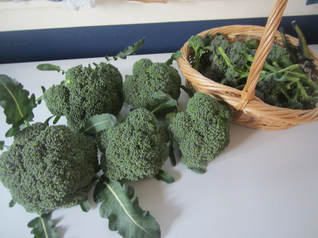
On the other hand, when planting in March, I still need to protect them from white butterflies. One year I did this using micromesh, which is used to against psyllids and other pests. It also had the effect of producing a micro-climate of warmer are in the completely covered bed, and those broccoli were HUGE and fully ready for picking by early June - sooner than I had counted on. I see a similar result if I plant them earlier than March too - still warm temps cause faster maturation.
This past year, as I have written elsewhere, has not gone as intended. But between family deaths and births, I planted some late brassicas - broccoli, kohl rabi, kale and cabbage - in three different places in my garden, at different times (figuring any production better than the none that comes from not planting at all!). The results illustrate my point above, and the ones in the (unheated, open windowed) greenhouse, though planted much later, were WAY more productive, due to the warmer temperatures. Check it out:
Where I live, in the lower North Island, I have found that the ideal time to plant out most brassicas (except brussel sprouts, which need longer) for winter production is March. If I leave it later, the temperatures become low, and the plants go into a state of semi-dormancy (this happens below 10C), with growth slowed right down, and the size of the productive heads being much smaller, if produced at all - sometimes the plants remain very small and unproductive, and then bolt straight to small flower heads in spring when it warms again. This will depend on timing of planting and just how cold the winter is.
On the other hand, when planting in March, I still need to protect them from white butterflies. One year I did this using micromesh, which is used to against psyllids and other pests. It also had the effect of producing a micro-climate of warmer are in the completely covered bed, and those broccoli were HUGE and fully ready for picking by early June - sooner than I had counted on. I see a similar result if I plant them earlier than March too - still warm temps cause faster maturation.
This past year, as I have written elsewhere, has not gone as intended. But between family deaths and births, I planted some late brassicas - broccoli, kohl rabi, kale and cabbage - in three different places in my garden, at different times (figuring any production better than the none that comes from not planting at all!). The results illustrate my point above, and the ones in the (unheated, open windowed) greenhouse, though planted much later, were WAY more productive, due to the warmer temperatures. Check it out:
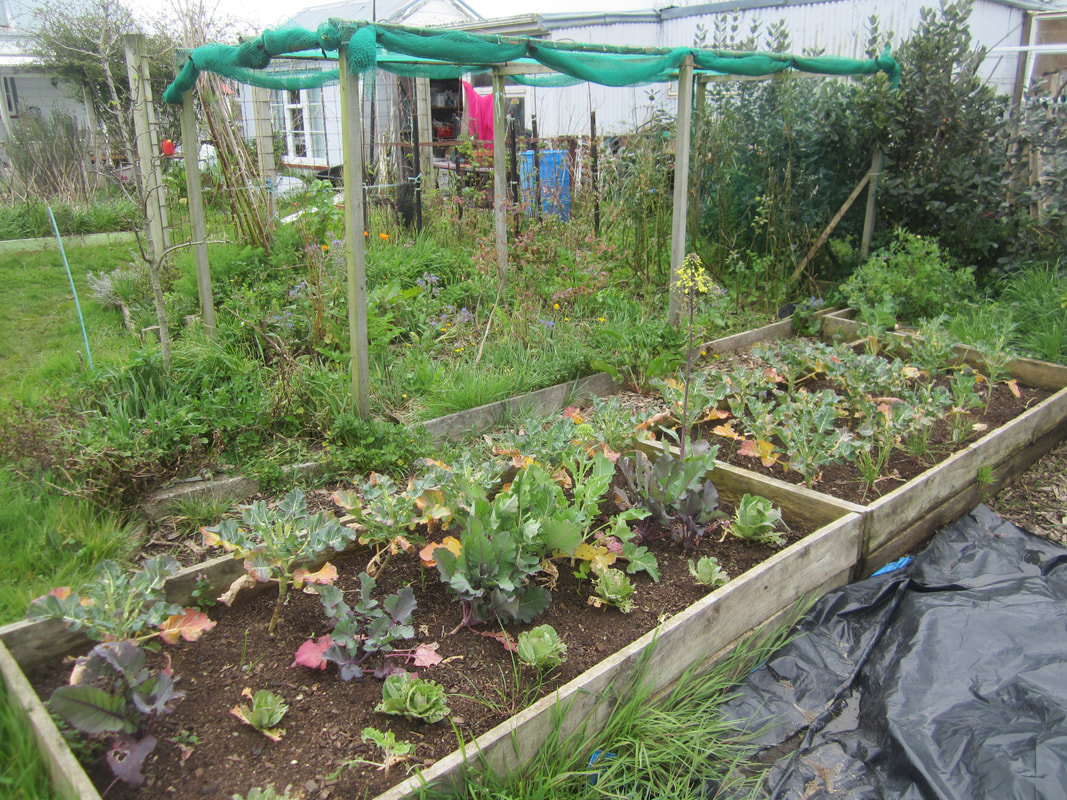
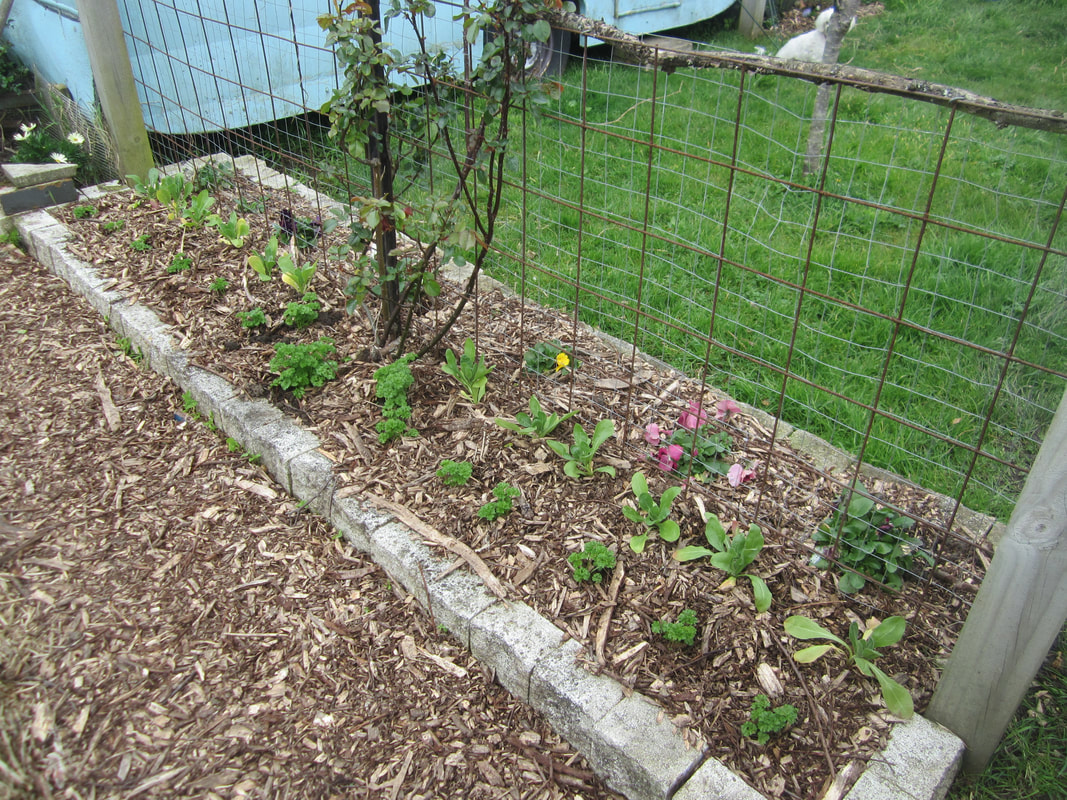
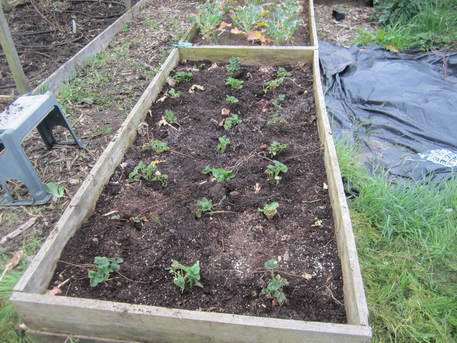
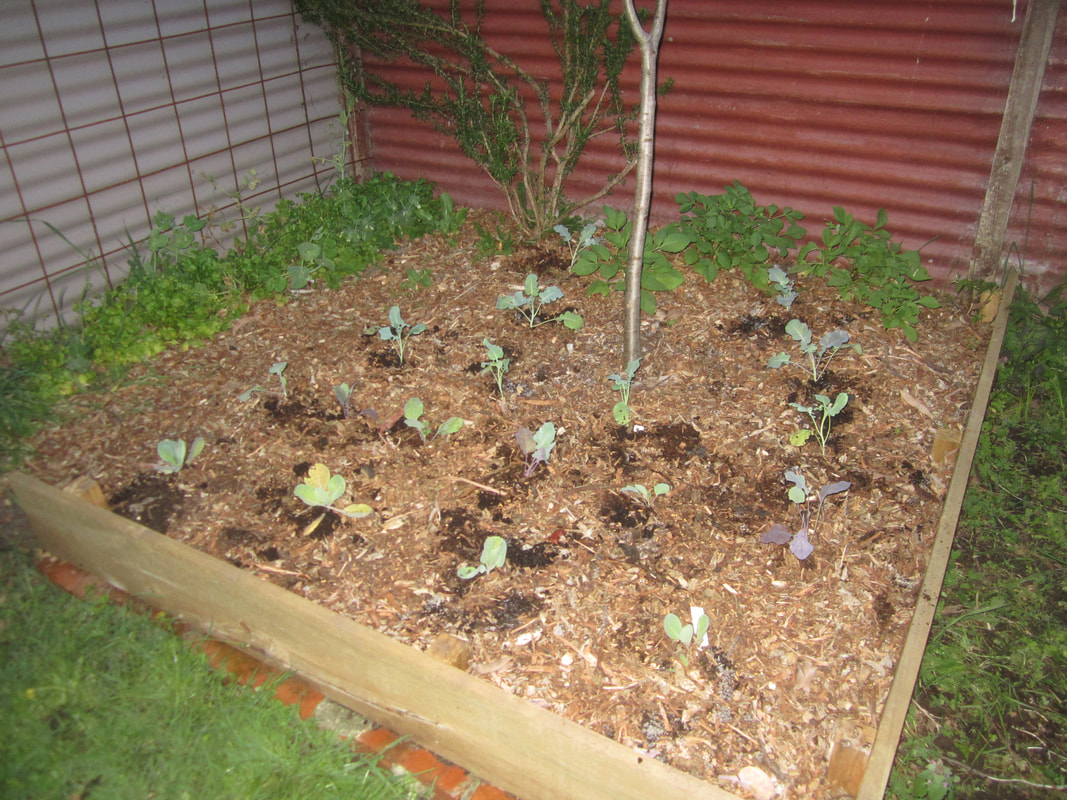 | Group 1: Broccoli, cabbage and kohl rabi, planted 28th April in a 6 inch high raised bed. |
| Group 2: Broccoli, cabbage, kohl rabi, planted 4th May in 12 inch raised beds. This extra height, and sunny, sheltered position may give them some advantage over group 1. | 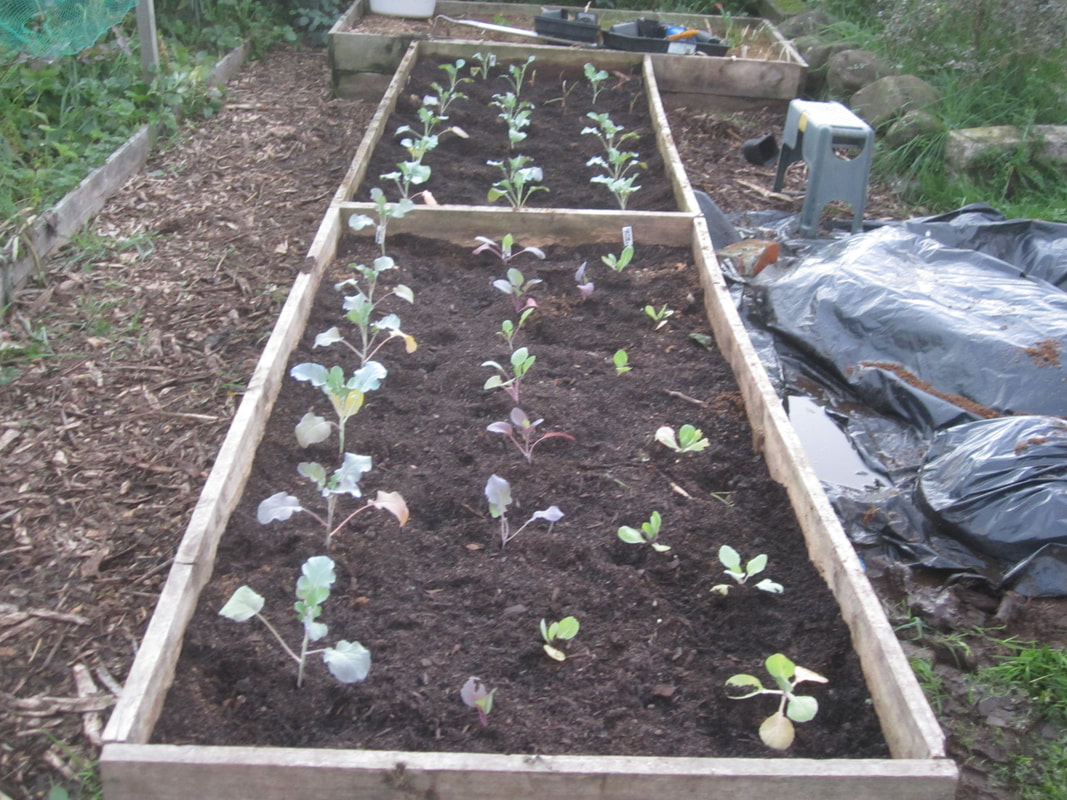 |
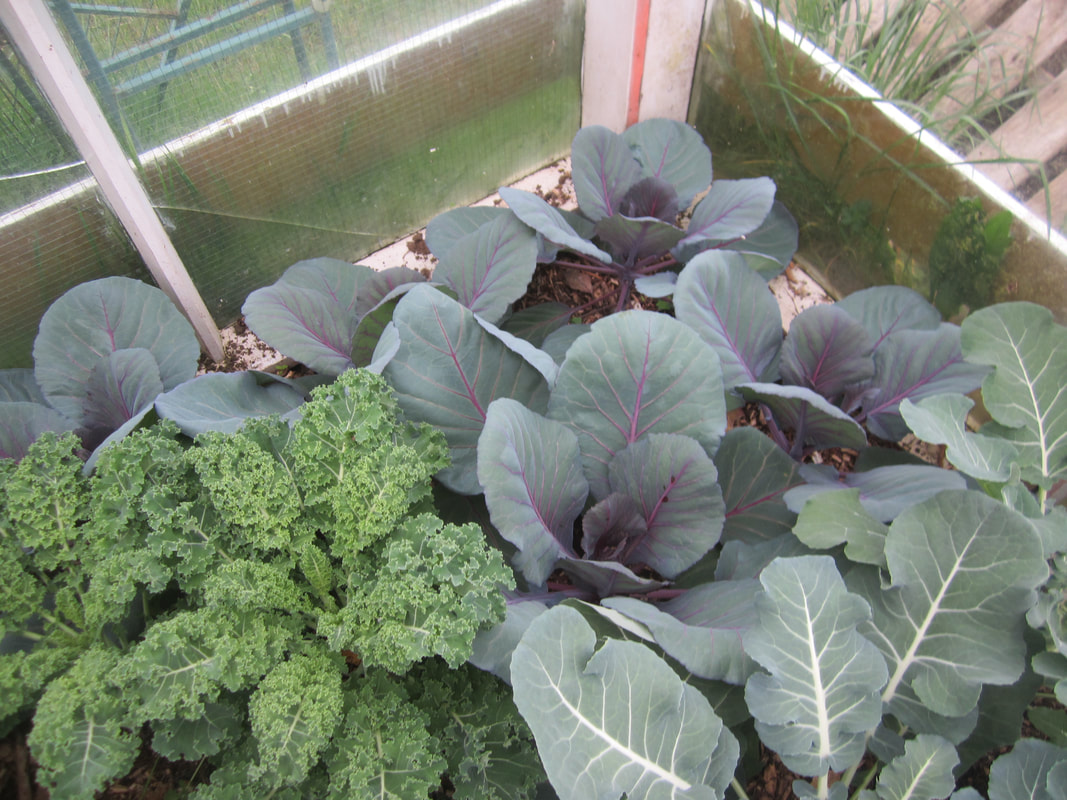
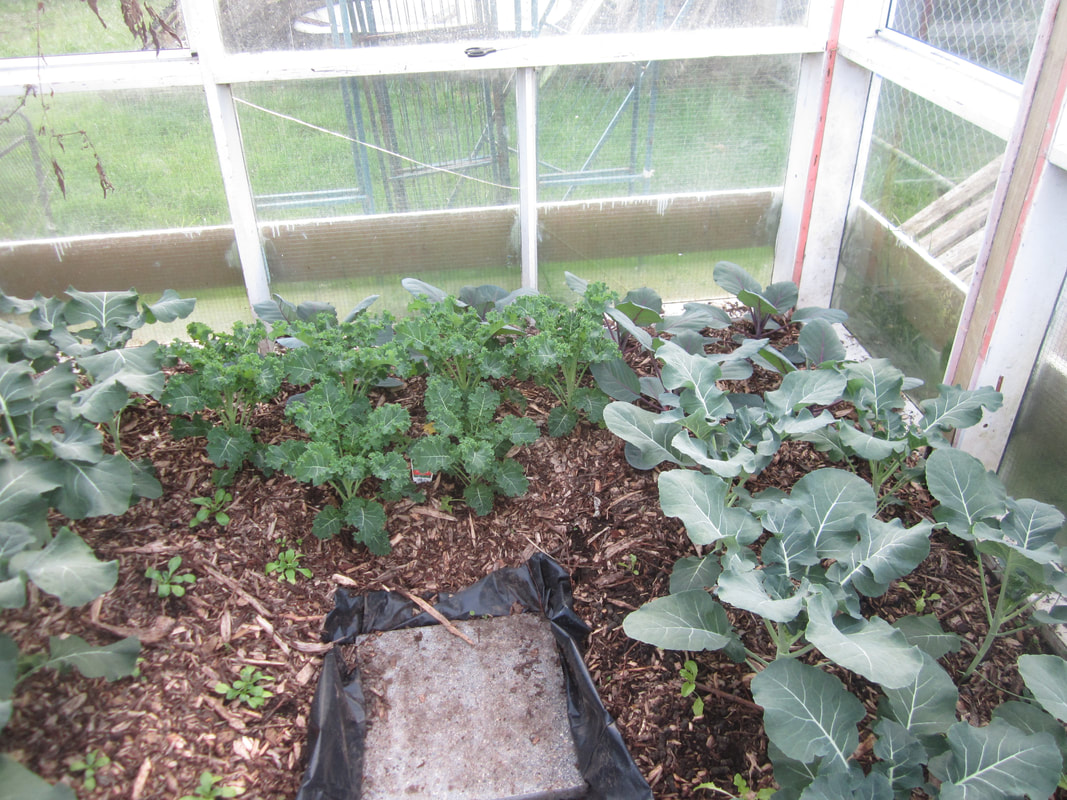
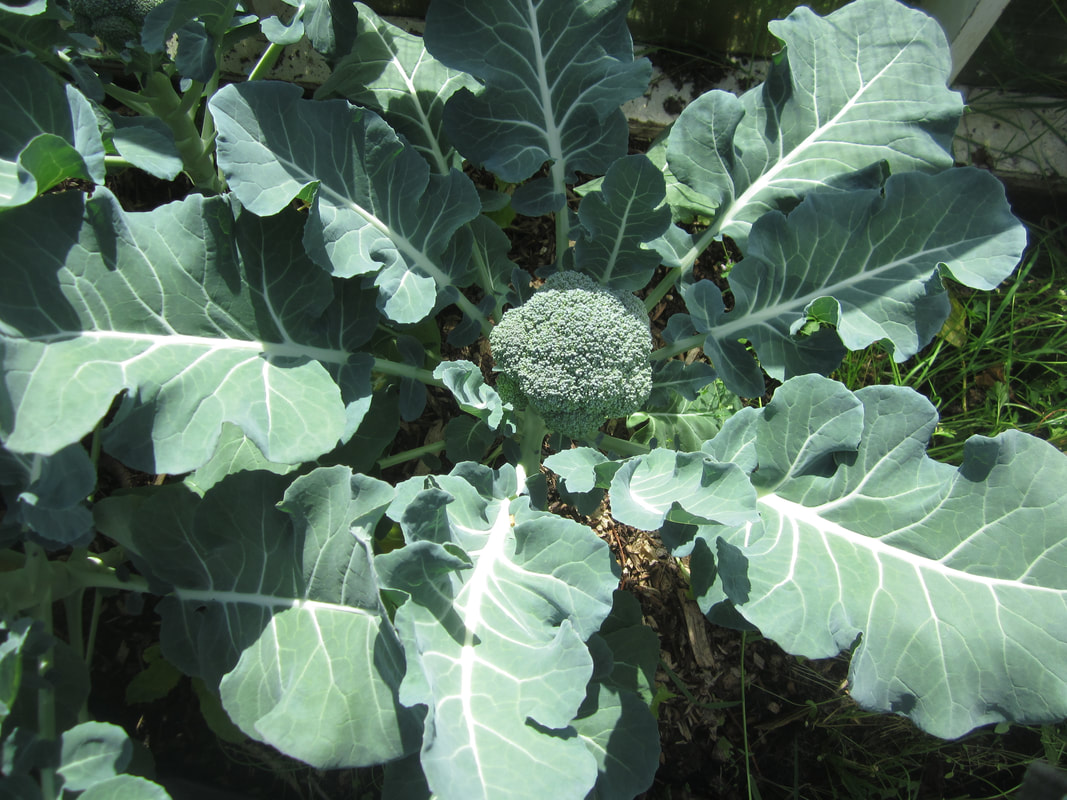
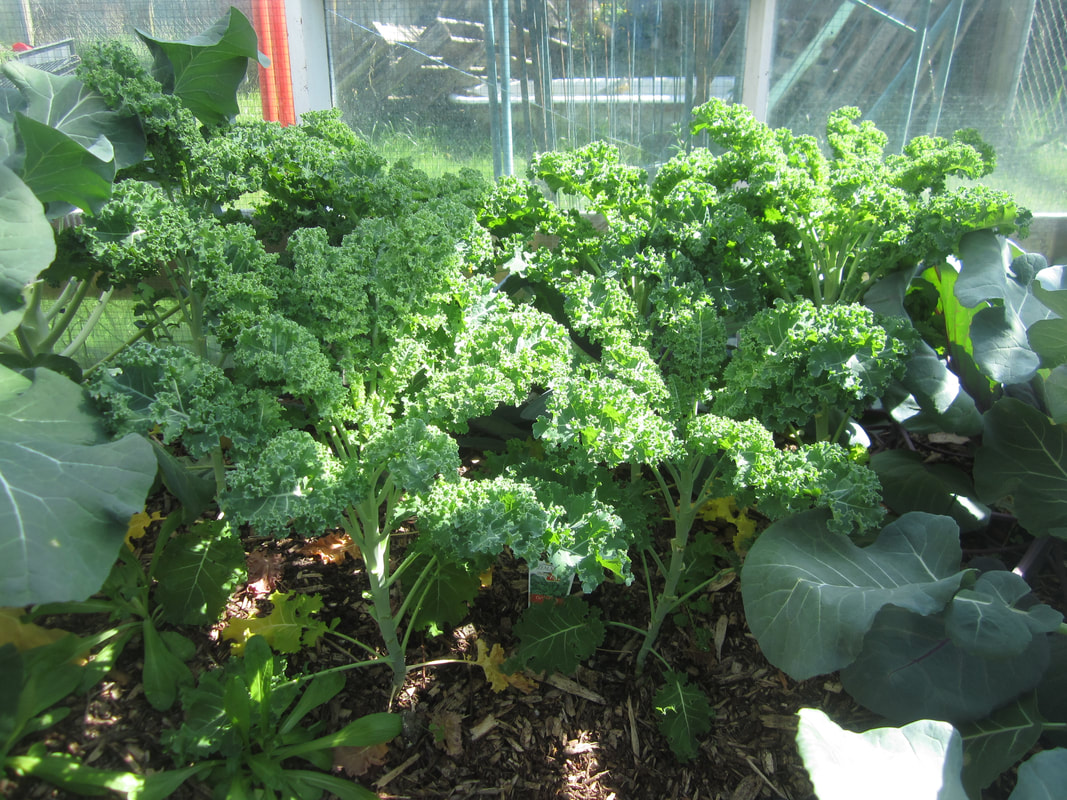
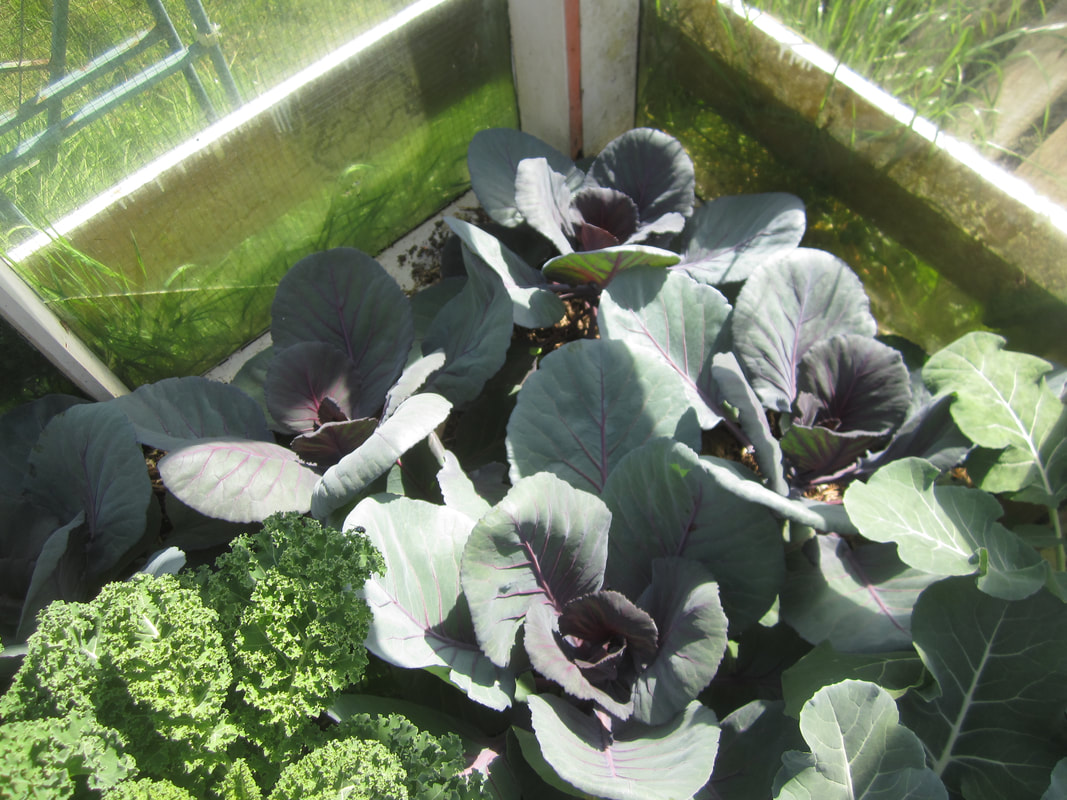
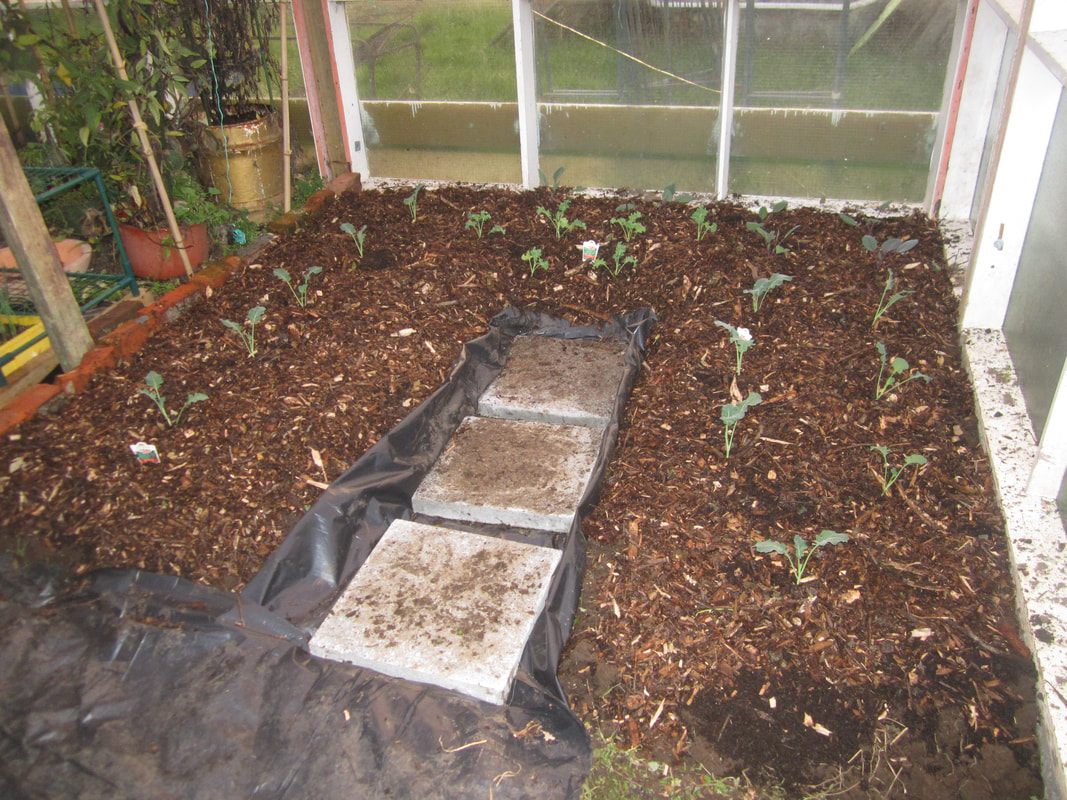 | Group 3: Broccoli, red cabbage and kale, planted in greenhouse on 5th June. The greenhouse is made of recycled glass windows. I leave some windows open pretty much year round, though did close them on the coldest nights in the first month of growing these seedlings. While the greenhouse does get cold at night, it's structure provides protection from all but the severest frosts, and it is very warm in there during the day. |
And here's what each group looked like on 4th August:
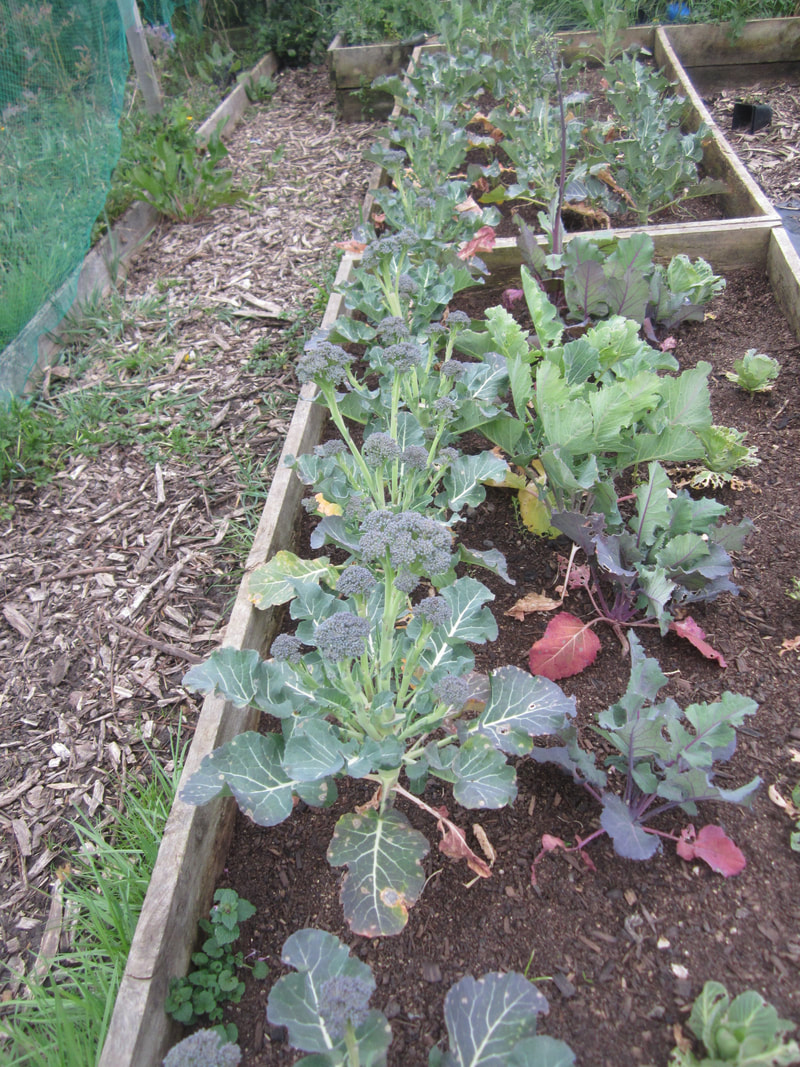
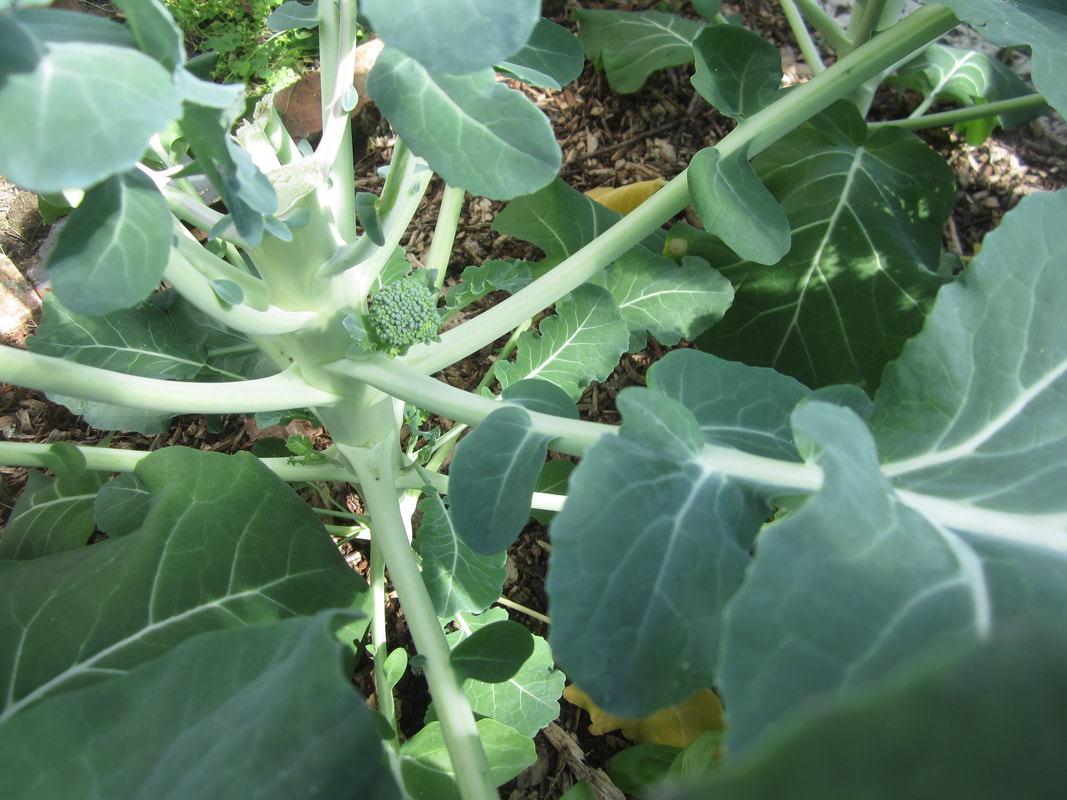
Group 1: Some moderate growth - some nice but small heads forming on the broccoli. I went ahead and picked them, as some were bolting straight to flowers, and it was obvious the others weren't going to get much bigger. Cabbage very small, kohl rabi look ok-ish, but no sign of any decent bulbing.
Group 1: Some moderate growth - some nice but small heads forming on the broccoli. I went ahead and picked them, as some were bolting straight to flowers, and it was obvious the others weren't going to get much bigger. Cabbage very small, kohl rabi look ok-ish, but no sign of any decent bulbing.
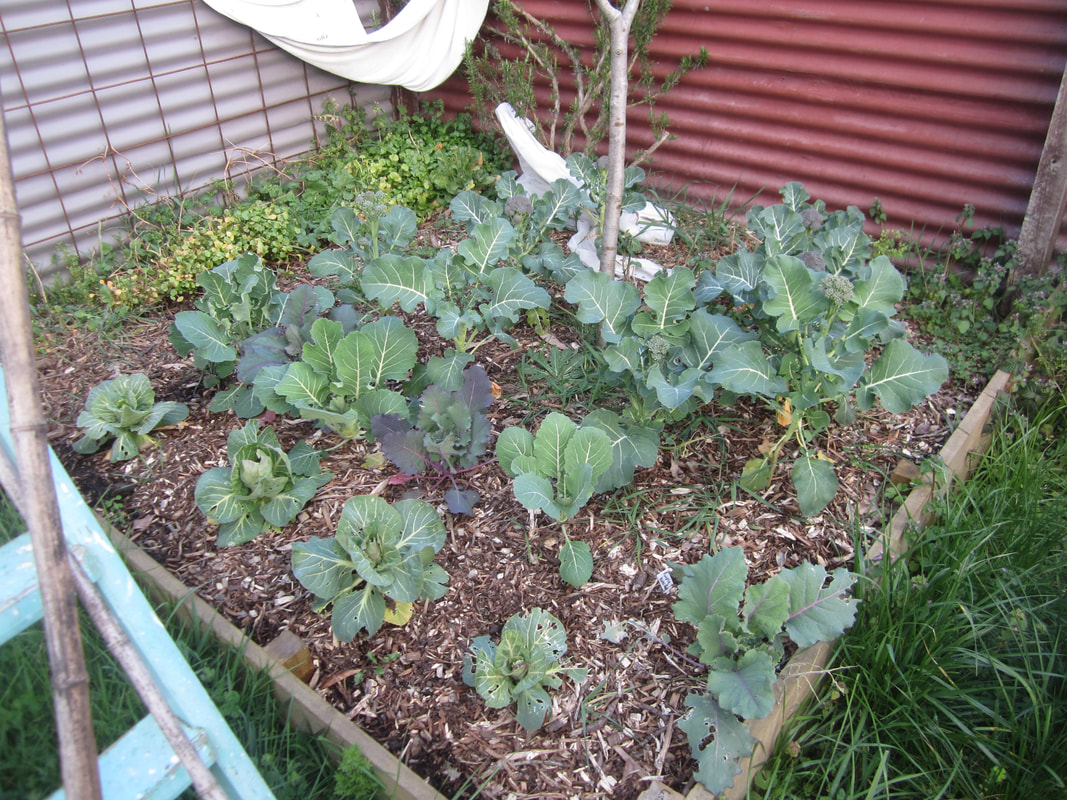
Group 2: Growth in cabbages and kohl rabi very minimal. Broccoli have gained some size, and are forming very small heads.
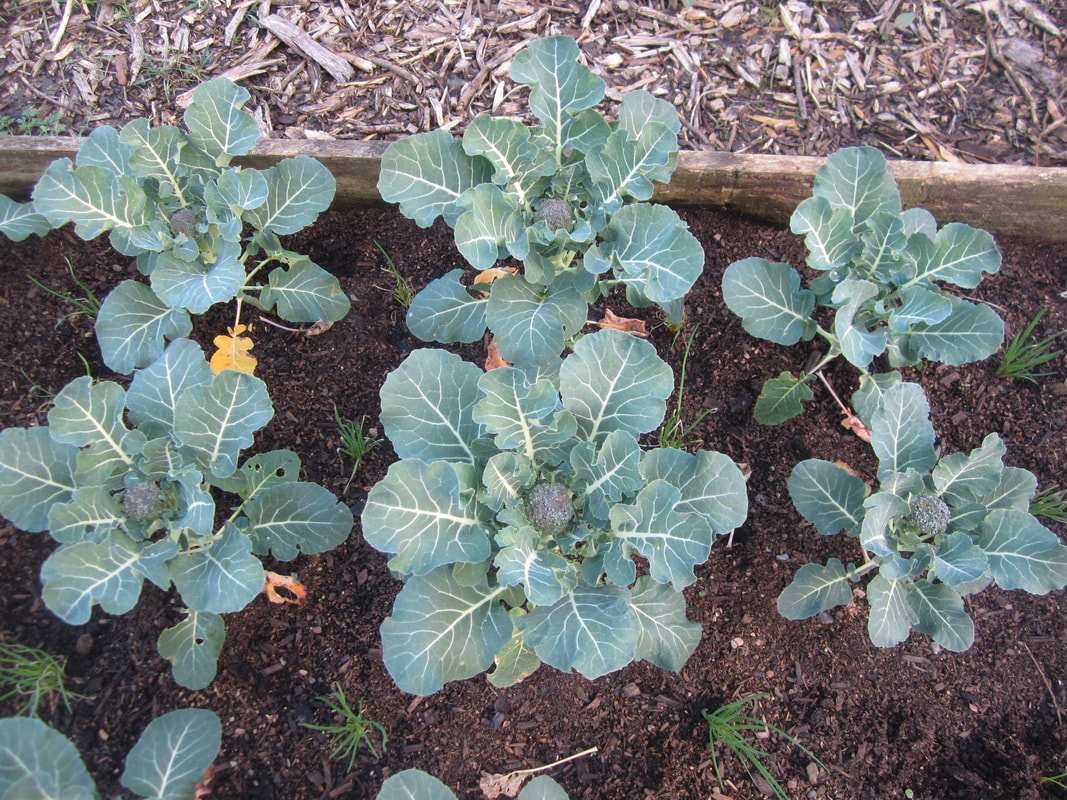
Group 3: excellent growth in broccoli, kale and red cabbages in the greenhouse. No sign of heads forming yet, which is good. I have two varieties of broccoli in here - a larger variety on one side, and a smaller one on the other. Red cabbages are hidden behind the kale in the 2nd pic. Brocc underplanted with cornsalad/mache.
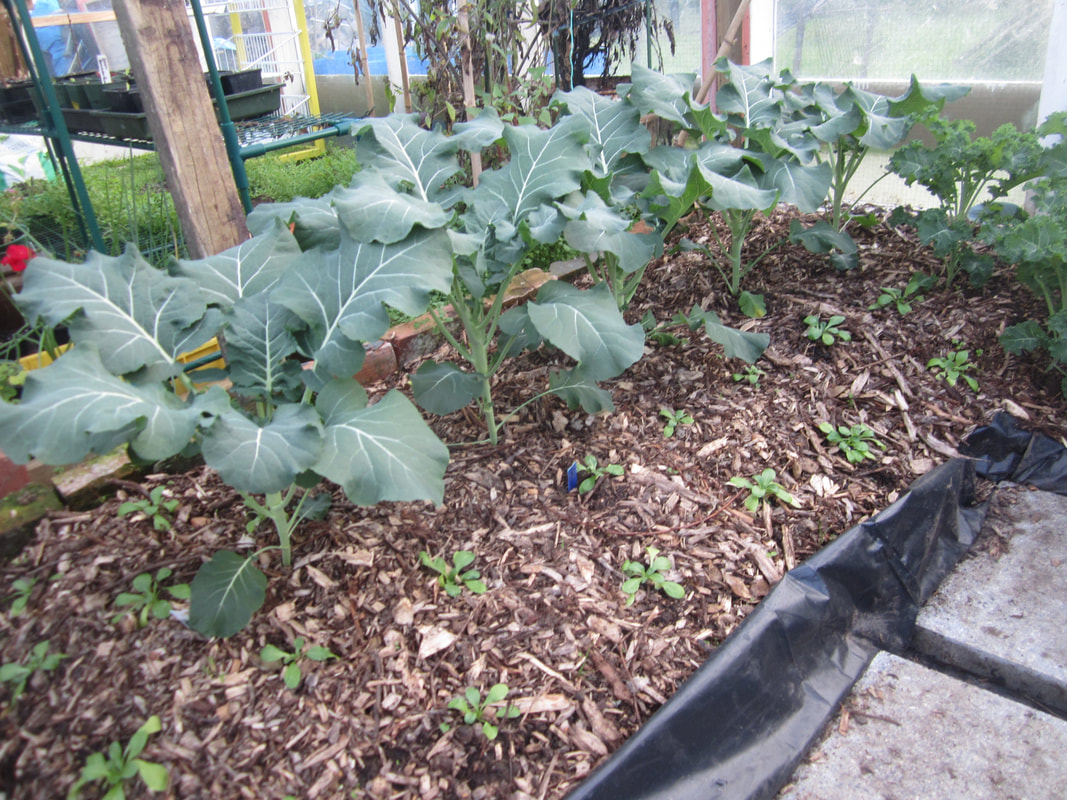
And then on the 24th August:
Group 1: These are looking pretty pathetic. I'm picking small shoots and heads of broccoli as they turn up. The other brassicas are pretty much a waste of space.
Group 1: These are looking pretty pathetic. I'm picking small shoots and heads of broccoli as they turn up. The other brassicas are pretty much a waste of space.
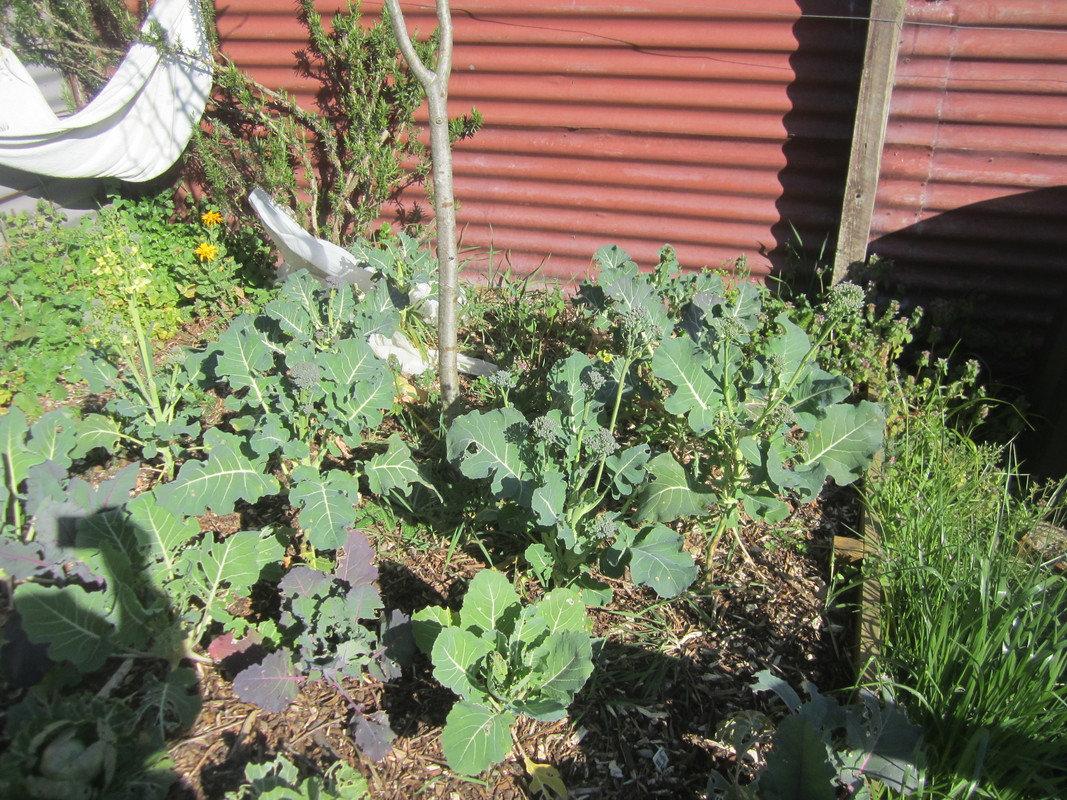
Group 2: Picked main heads on most of the broccoli. Reasonable size, especially for size of plants, but not very large. Certainly edible. Not holding out much hope for the cabbages and kohl rabi. Some of the brocc plants are still very, very small.
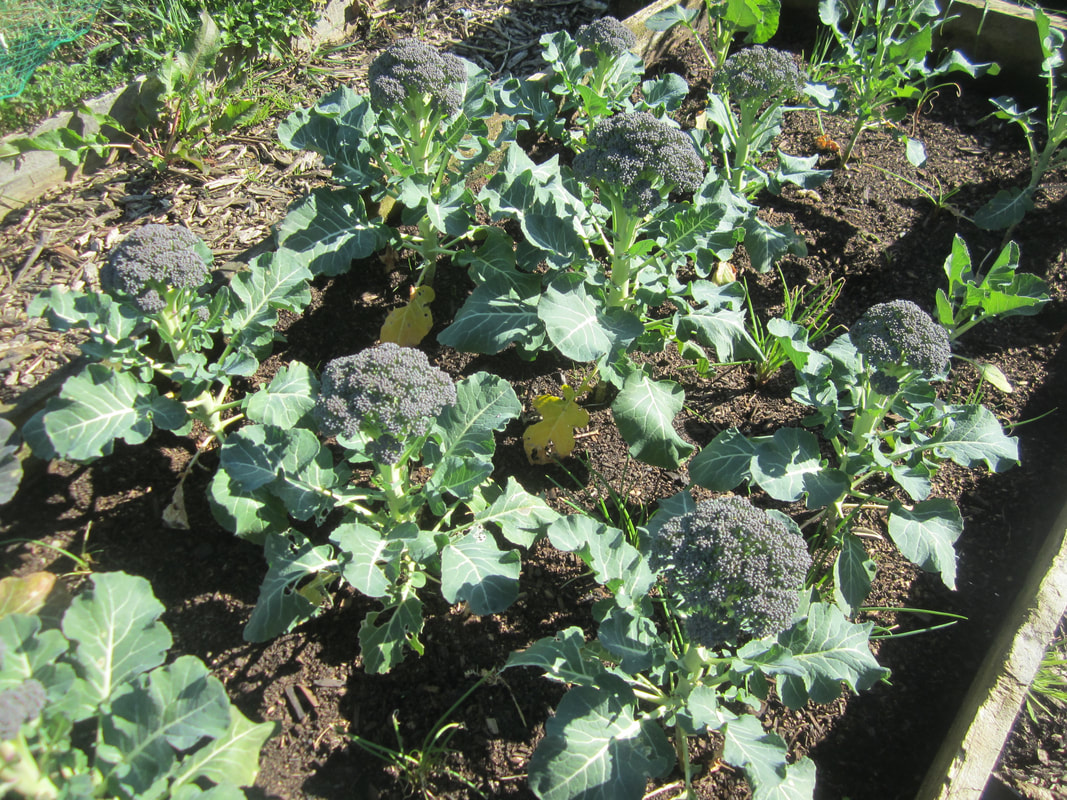
Group 3:
Just starting to see the formation of heads in the midst of the biggest broccoli variety. Have been picking kale every day for smoothies for a while now. Cabbages looking good too.
Just starting to see the formation of heads in the midst of the biggest broccoli variety. Have been picking kale every day for smoothies for a while now. Cabbages looking good too.
On 5th September:
Pretty much given up on Group 1 - taking a few brocc shoots. They're now mostly just sitting there until I get around to clearing the bed and planting something else.
Pretty much given up on Group 1 - taking a few brocc shoots. They're now mostly just sitting there until I get around to clearing the bed and planting something else.
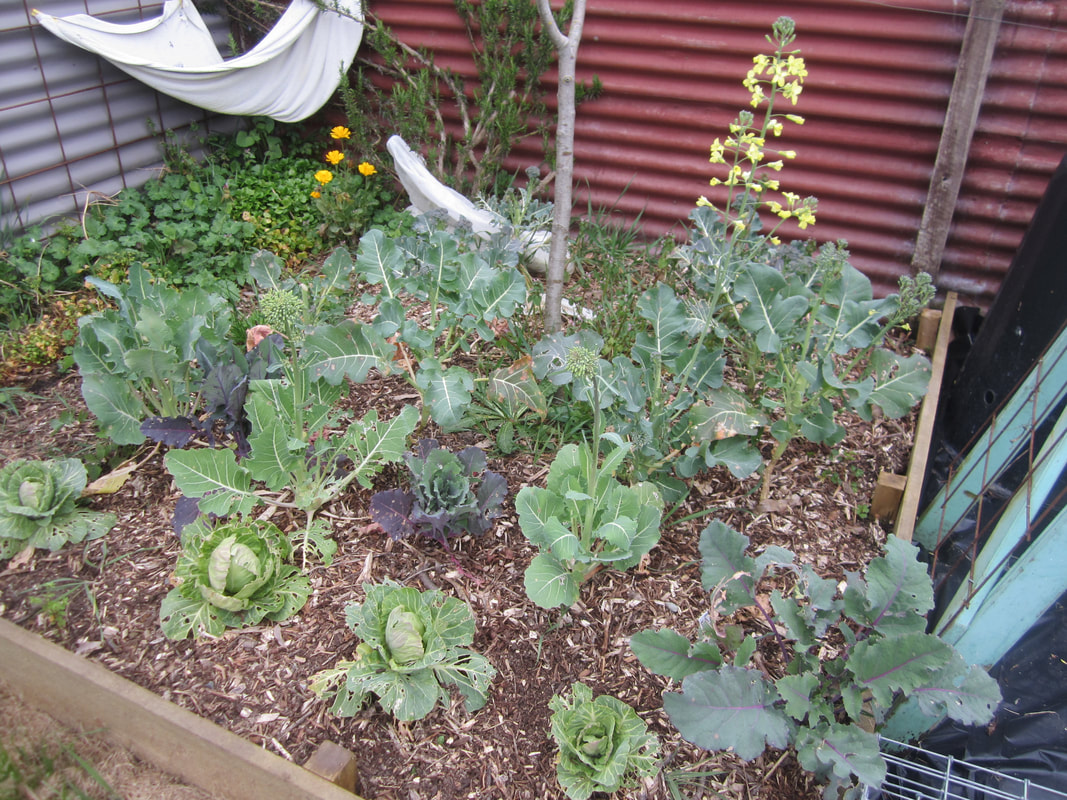
Group 2: picking fairly steady amounts of side shoots from these broccoli. The purpling of the leaves is a sign of how the cold has affected these plants, stunting their growth.
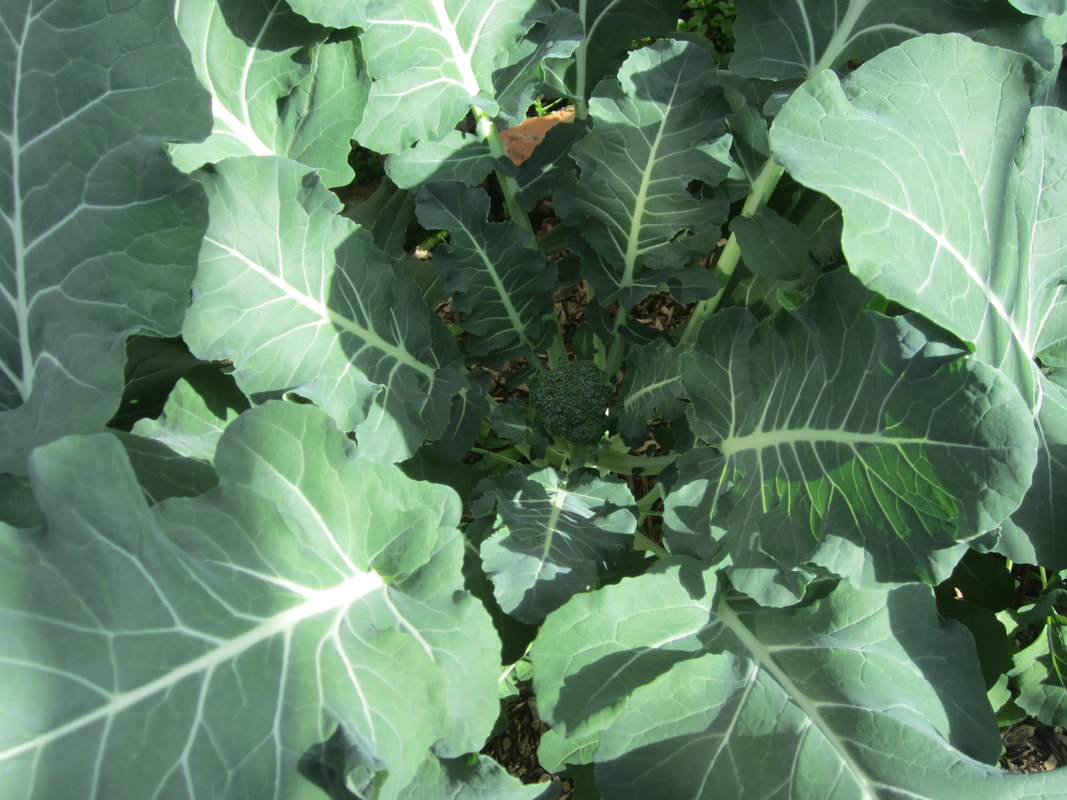
Group 3: Lovely heads forming on the larger plants!
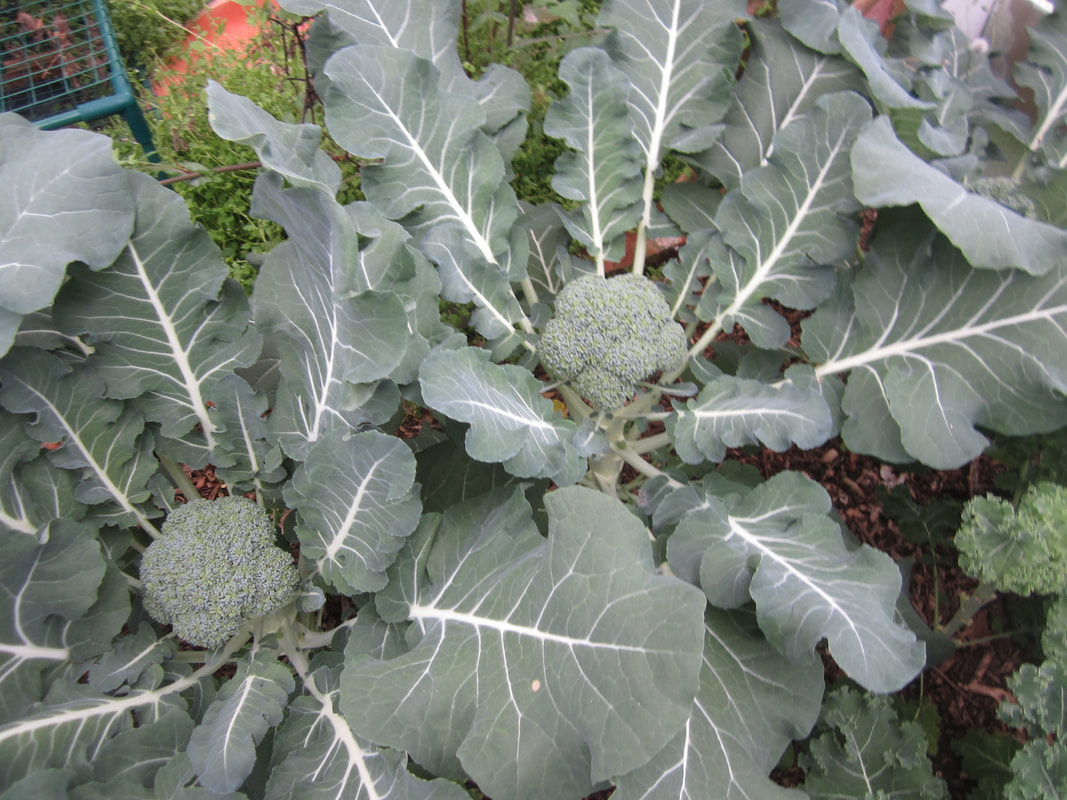
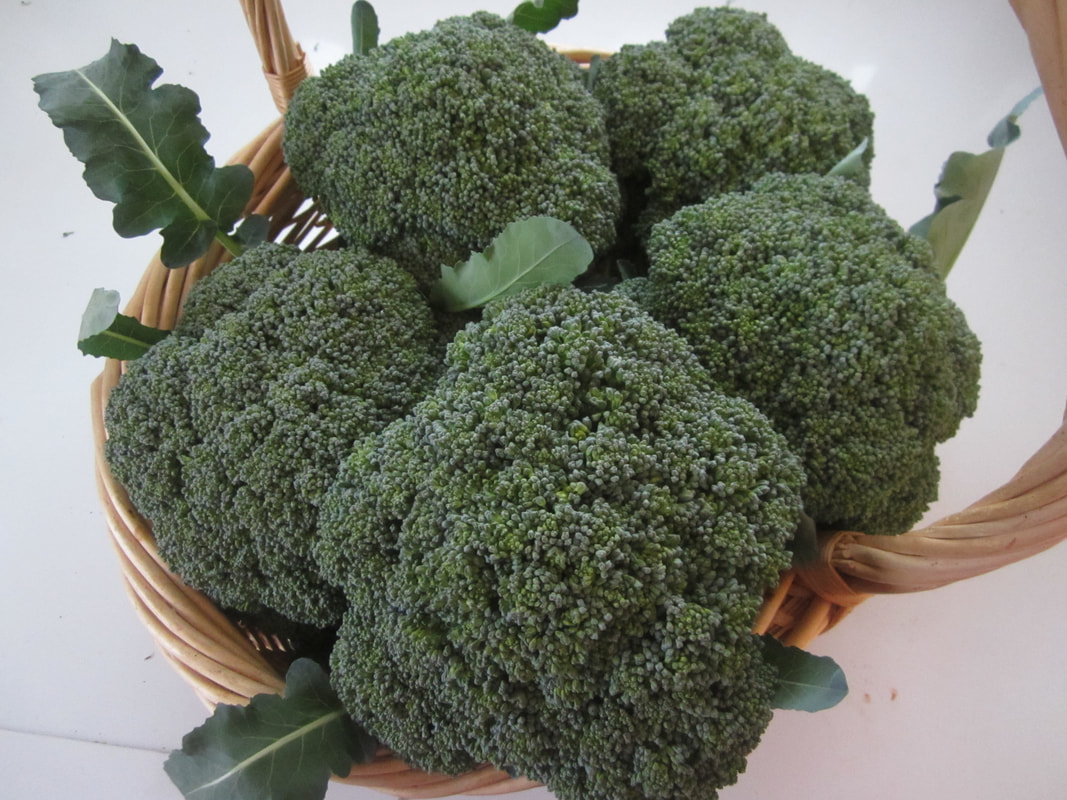
I waited a few more days, and picked these first heads on the 8th, when they had reached their maximum size (and were beginning to show the barest signs of loosening up)
14th September: I picked the last small shoots on Group 2 broccoli, and ate them raw in the garden (yum!), then picked the leaves off the kohl rabi, nicer leaves of brocc and cabbage, and used them lightly steamed for dinner, before ripping out all these plants and replacing them with strawberries.
Today (17th September), Group 3: There are nice heads on the second variety of broccoli, as well as small side shoots forming on both varieties. The kale and red cabbages both are looking gorgeous! Loving my daily kale addition to my breakfast smoothies (along with various other greens from the garden - NZ spinach, chickweed, puha, cornsalad, miner's lettuce etc).
Conclusions: extra warmth makes a clear, huge difference in the growth and productivity of broccoli and other brassicas!
My intentions for 2018: Get brassicas in the ground outside by March, and also plant some in succession, including covering later ones to provide a warmer microclimate. Use the greenhouse for extra plantings when the weather gets colder.
To recap on the broccoli:
Group 1: planted 28th April, picked some tiny heads 4th August, few small shoots there after. No decent production.
Group 2: higher raised beds. Planted 4th May. Picked main heads 24th August, lots of side shoots 5th Sept, pulled plants 14th Sept.
Group 3: Planted in greenhouse 5th June. Picked first group of main heads (large) on 8th Sept. As of 14th Sept, another group of main heads just about ready to pick within the next few days, and side shoots forming everywhere.
My intentions for 2018: Get brassicas in the ground outside by March, and also plant some in succession, including covering later ones to provide a warmer microclimate. Use the greenhouse for extra plantings when the weather gets colder.
To recap on the broccoli:
Group 1: planted 28th April, picked some tiny heads 4th August, few small shoots there after. No decent production.
Group 2: higher raised beds. Planted 4th May. Picked main heads 24th August, lots of side shoots 5th Sept, pulled plants 14th Sept.
Group 3: Planted in greenhouse 5th June. Picked first group of main heads (large) on 8th Sept. As of 14th Sept, another group of main heads just about ready to pick within the next few days, and side shoots forming everywhere.
 RSS Feed
